

Robert Hammers | December 1, 2025 | Car Accidents
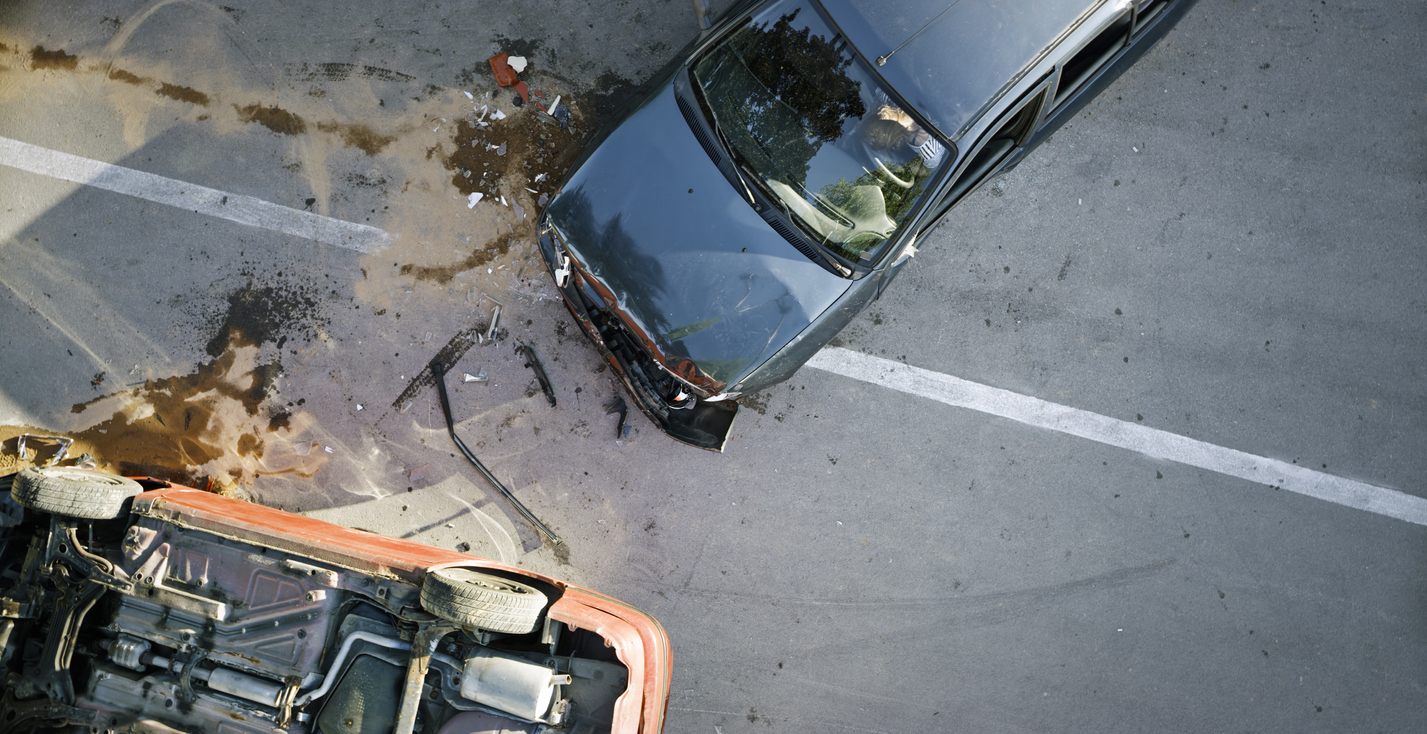
Georgia is an at-fault state for car accident claims, meaning crash victims must prove fault and causation to recover damages. One of the most valuable sources of objective evidence in modern car accident cases is the vehicle’s black box.
These devices can offer detailed insights into what happened in the moments leading up to a collision—information that can be critical for proving liability in Atlanta, GA.
What Are Black Boxes in Cars?
Black boxes, sometimes known as Event Data Recorders (EDRs), are electronic devices installed in most vehicles manufactured since 2012. They capture technical information about the vehicle and its occupants immediately before, during, and after a crash.
This includes data used to:
- Evaluate the performance of safety systems
- Improve vehicle design and safety standards
- Reconstruct crashes and determine how an accident occurred
For Atlanta accident victims, black box data offers objective, reliable evidence that can support a personal injury claim or undermine inaccurate or false statements from other parties.
What Types of Data Do Black Boxes Capture?
Black boxes can record a wide range of data points, including but not limited to:
- Vehicle speed and changes in speed prior to the crash
- Brake and accelerator pedal use, including duration
- Airbag deployment timing and force of impact
- Seatbelt usage
- Driver inputs
- Steering angle and throttle position
- Post-crash data, including activation of an ACN (automatic collision notification) system
- GPS location and travel history
EDRs can be helpful in crash investigations. They can be used to assist with traditional crash reconstruction.
Legal and Privacy Framework in Georgia
Black box data is strictly protected under both federal and state law.
Ownership and Access
Under the Driver Privacy Act of 2015, the data stored in a vehicle’s EDR belongs to the vehicle’s owner. Access generally requires:
- The owner’s consent, or
- A valid court order
The Georgia Supreme Court has also ruled that law enforcement must obtain a warrant under the Fourth Amendment before downloading EDR data.
Practical Restrictions
Because EDR data is treated similarly to other forms of digital evidence:
- Police must show probable cause to secure a warrant.
- Insurance companies and litigants cannot access the data without proper legal authorization.
- Attorneys often send spoliation letters to preserve black box data, especially in commercial vehicle accidents where data may be overwritten quickly.
- Black box data is admissible in Georgia courts when it is properly collected, preserved, and authenticated by qualified experts.
Courts view this information as expert evidence that can confirm or contradict witness accounts, showing behaviors such as speeding, braking, or failing to brake before impact.
Why Black Box Data Matters for Atlanta Car Accident Victims
Liability disputes often arise when drivers provide conflicting versions of what happened. Eyewitnesses can help, but memory is imperfect—people can misinterpret events, forget details, or be influenced by stress.
Black box data cuts through those uncertainties. It provides objective, time-stamped information that can:
- Verify or disprove claims about speed, braking, or driver behavior
- Support a fair settlement in negotiations with insurance companies
- Prevent insurers from undervaluing or denying legitimate claims
- Strengthen personal injury lawsuits with scientifically supported evidence
For many victims, this data becomes one of the strongest tools for proving negligence.
Practical Tips for Preserving Black Box Data After a Crash
Because black box data can be overwritten, it’s important to act quickly:
- Retrieve data promptly: Most EDRs store information for only about 200 ignition cycles—roughly 6–8 weeks—before it may be lost.
- Use trained technicians: Specialized tools are required to safely download the data and avoid corrupting it.
- Do not authorize repairs prematurely: Repairs or vehicle disposal can destroy the data.
- Know the legal limitations: Without the owner’s permission or a court order, accessing EDR data is illegal.
Attorneys frequently work with accident reconstruction experts to interpret the data and present it effectively in court.
Contact an Atlanta Car Accident Attorney for Help
If you’ve been involved in a collision, securing black box data quickly can make a significant difference in your case. An experienced car accident attorney can help preserve, retrieve, and interpret this critical information and use it to support your claim.
If you have questions about black boxes in cars or a car accident claim in Georgia, contact Hammers Car Accident & Personal Injury Lawyers for a free consultation with an Atlanta car accident lawyer.
We serve Fulton County and its surrounding areas:
Hammers Car Accident & Personal Injury Lawyers – Atlanta
201 Joseph E Lowery Blvd NW Suite 312, Atlanta, GA 30314
Open 24/7
(770) 900-9000

Hammers Car Accident & Personal Injury Lawyers – Sandy Springs
5555 Glenridge Con, Suite 975, Sandy Springs, GA 30342
Open 24/7
(678) 990-7024
Hammers Car Accident & Personal Injury Lawyers – Lawrenceville
265 Culver St S. Suite A. Lawrenceville, GA 30046
Open 24/7
(678) 626-5067
Hammers Car Accident & Personal Injury Lawyers – Mableton
5701 Mableton Pkwy SW Suite 108, Mableton, GA 30126
Open 24/7
(706) 480-5487
Hammers Car Accident & Personal Injury Lawyers – Smyrna
2400 Herodian Way Ste#220, Smyrna, GA 30080
Open 24/7
(678) 922-4497
Hammers Car Accident & Personal Injury Lawyers – Roswell
110 Mansell Cir #111, Roswell, GA 30075
Open 24/7
(678) 582-8466
About Robert M. Hammers Jr.
Robert M. Hammers, Jr. is the managing partner at Hammers Car Accident & Personal Injury Lawyers in Atlanta. Committed to justice, he represents individuals harmed by negligence, focusing on personal injury litigation.
With over 50 jury trials and $100 million in verdicts and settlements, Rob is known for his strategic thinking and dedication to achieving the best outcomes for his clients. He serves on the Executive Committee for the Georgia Trial Lawyers Association, the American Association for Justice Board of Governors, and the Plaintiff Leadership Committee in complex multi-district and toxic tort litigations, where he advocates for injured individuals and shapes legal strategies.
Robert is also recognized on Justia for his excellence in personal injury law, further highlighting his reputation and commitment to client advocacy.

About Robert M. Hammers Jr.
Robert M. Hammers, Jr. is the managing partner at Hammers Car Accident & Personal Injury Lawyers in Atlanta. Committed to justice, he represents individuals harmed by negligence, focusing on personal injury litigation.
With over 50 jury trials and $100 million in verdicts and settlements, Rob is known for his strategic thinking and dedication to achieving the best outcomes for his clients. He serves on the Executive Committee for the Georgia Trial Lawyers Association, the American Association for Justice Board of Governors, and the Plaintiff Leadership Committee in complex multi-district and toxic tort litigations, where he advocates for injured individuals and shapes legal strategies.
Robert is also recognized on Justia for his excellence in personal injury law, further highlighting his reputation and commitment to client advocacy.
